How to Format Content So ChatGPT and Perplexity Actually Cite It

ChatGPT and Perplexity lift short, self-contained passages, not whole pages. Earning a citation that also earns a click takes a direct answer near the top, headings that stand alone as questions, and facts stated in plain text instead of buried in scripts or images. Structure is the lever here, not strategy alone.
Why Getting Cited by AI Isn’t the Same as Getting Clicked
A citation means a model decided your page answered a question well enough to reference. A click means a reader decided the answer wasn’t complete enough on its own.
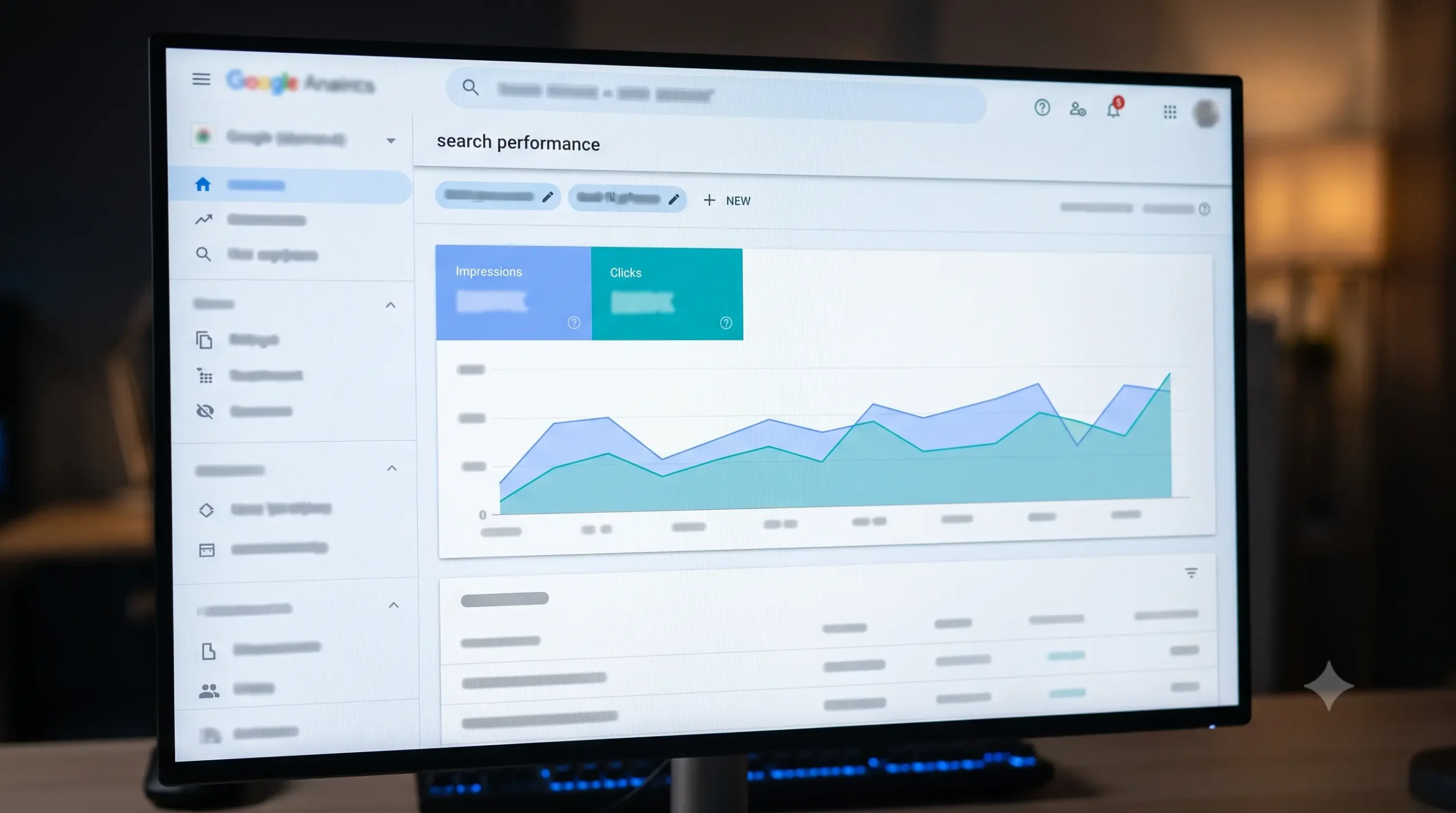
Tabula’s own “15 Ways to Get Your Brand Cited by AI” post, published September 11, 2026, is a working example of the content citation. As of October 2026, it ranks in Google Search Console for dozens of long, and conversational queries.
What Makes a Passage Easy for ChatGPT and Perplexity to Lift
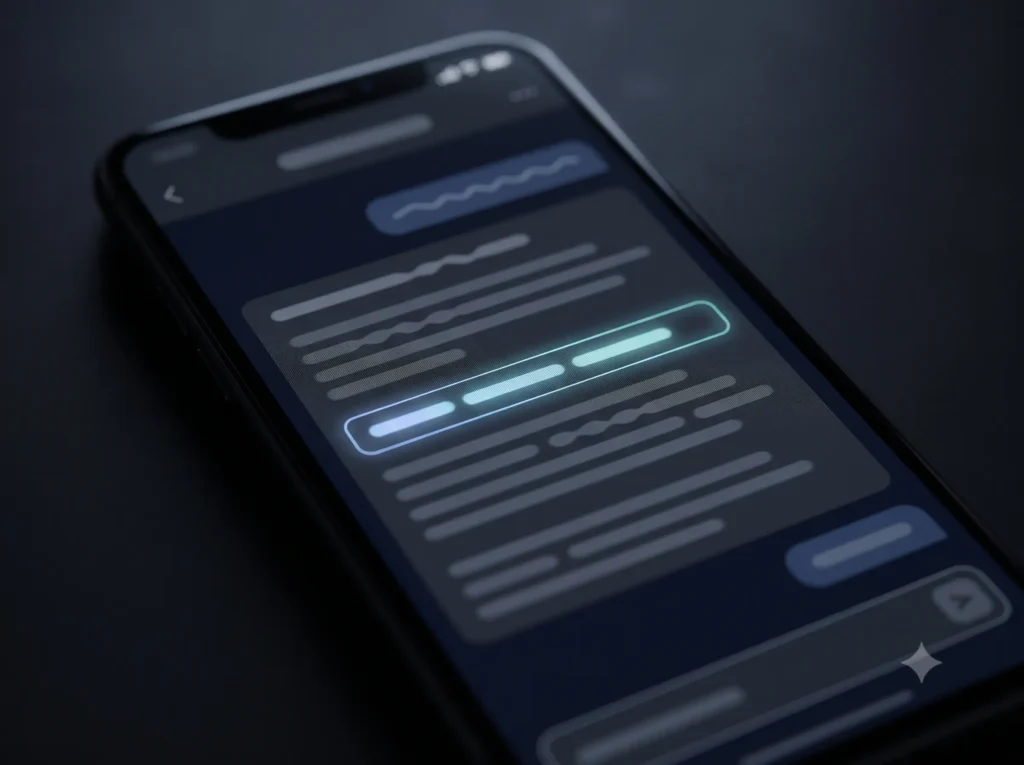
AI engines extract short, quotable passages rather than entire articles, so each passage has to answer its own question without depending on a sentence above or below it.
Two habits do most of the work. First, state the claim, then the support, in that order, so a model lifting only the first sentence still gets something true and useful. Second, name the actual subject inside the sentence that carries the fact, not only in the page title or heading above it. A sentence that opens with “we” or “our platform” can get quoted with the source stripped out, because the source was never inside the words the model took.
Test any 100 to 150 word block by reading it with no surrounding context. If it still fully answers the question it implies, it will survive being lifted. If it leans on “as mentioned above” or an unresolved “it,” rewrite it so it stands alone.
How to Open Every Section So AI Engines Can Quote It
Every major section should open with a short paragraph that answers its own heading’s implied question, before any example or story.
Two specific moves: lead the page with a 50 to 70 word direct-answer block immediately after a short intro, stated in active voice with no marketing language, visible on a phone screen without scrolling. Then open each H2 with a two to three sentence definitional paragraph, under 60 words, that would make sense to someone who had only read that heading and nothing else on the page. Phrase headings as questions or task statements. If someone saw only the heading and its first paragraph, they should know exactly what it answers.
How to Structure FAQs So AI Extracts the Right Answer
An FAQ section earns AI citations through its structure, not through schema markup.
Use an H2 (a question or “Frequently Asked Questions”), followed by four to six H3 questions pulled from real searches, each answered directly in 40 to 70 words. The answers shouldn’t repeat what the body already said; they exist to cover question phrasings the body doesn’t use verbatim. Skip FAQPage schema: Google restricted FAQ rich results to well-known government and health sites back in August 2023, a change this piece corrects from an earlier internal note that had the date wrong. The in-body Q&A format still earns extraction in AI Overviews and still works on ChatGPT and Perplexity, which don’t read Google’s schema at all.
Which Technical Signals Actually Matter (and Which Don’t)
Most of what gets called “AI SEO” technical work is either a normal crawlability check or an invented requirement with no evidence behind it.
What doesn’t matter: an llms.txt file (no AI platform is confirmed to read one), chunking content into AI-specific blocks, or schema beyond standard, human-relevant markup. What does matter: confirming robots.txt allows GPTBot, PerplexityBot, Google-Extended, and ClaudeBot, since a crawler that can’t fetch a page can’t cite it.
Article schema with Person schema pointing to a real, named author, plus a current dateModified, gives a model a verifiable author and freshness signal. Facts that live only inside JavaScript widgets or toggled accordions are invisible to a crawler that only reads static HTML, so pricing, specs, and other citable numbers belong in the page’s plain text.
How to Update an Existing High-Performing Post for AI Citation
A post already pulling impressions is usually a faster fix than a new one, and the diagnosis decides what to change.
High impressions with near-zero clicks, like the “15 Ways” post above, point to a format problem: the page is being surfaced but isn’t giving a reader a reason to click through, so retrofit a TL;DR block and definitional openers onto existing sections rather than rewriting the whole piece. High impressions with a strong position but weak CTR points to a title and meta description mismatch instead; fix the listing copy, not the body. Low impressions regardless of position is a visibility problem no copy edit will solve. Pull the diagnosis from Google Search Console before touching either page.
Frequently Asked Questions
What is an AI citation?
An AI citation is when a tool like ChatGPT, Perplexity, or Google AI Overviews names or links your page as the source behind a stated fact. It’s distinct from a backlink: a citation can happen with no click and no link back, which is why citation volume and traffic can move in opposite directions.
Do I need an llms.txt file to get cited by AI?
No. No major AI platform has confirmed it reads llms.txt files, and none of the structural changes in this piece depend on one. The crawler access and static-HTML fixes above do the actual work; an llms.txt file does not.
How do I structure FAQ pages for AI citation?
Use one H2 heading, four to six H3 questions drawn from real search phrasing, and a 40 to 70 word direct answer under each. Skip FAQPage schema, since Google limits that rich result to government and health sites; the plain in-body format is what AI platforms actually extract from.
How do I update a high-traffic blog post for AI citation?
Start with its Search Console data. High impressions with almost no clicks means the content is surfacing but the format isn’t converting attention, so add a TL;DR block and definitional section openers. High impressions with a strong position but weak CTR is a title and meta description problem instead.
Does AI citation volume affect my regular Google rankings?
Not directly. AI Overview and AI Mode appearances are tracked separately from standard organic rankings in Search Console, and a page can gain citation visibility without any change in its organic position. Treat the two as separate metrics worth watching side by side.
Format Fixes the Half of This You Can Control
Citation volume tells you a topic has reach. It says nothing about whether that reach is converting, and the only part of that gap you can act on directly is structure: the TL;DR block, the definitional openers, the FAQ format, the plain-text facts a crawler can actually read. Everything else, like crawler access and authorship signals, is maintenance you set once and keep current.
See which of your pages AI engines are already surfacing, and where the format is costing you the click.
A GEO audit shows exactly where that gap sits on your own site.

Author
Carlos Rios
Carlos Rios is the Founder of Tabula. Before starting the agency, he spent his career inside companies — reporting to leaders who had no patience for vanity metrics and wanted straight answers about what was working and why. He built Tabula around that same standard: a marketing system the client owns, powered by AI and led by experts who explain the plan in plain language. Carlos studied philosophy for six years at York University and holds a Master's in Marketing from the Schulich School of Business.